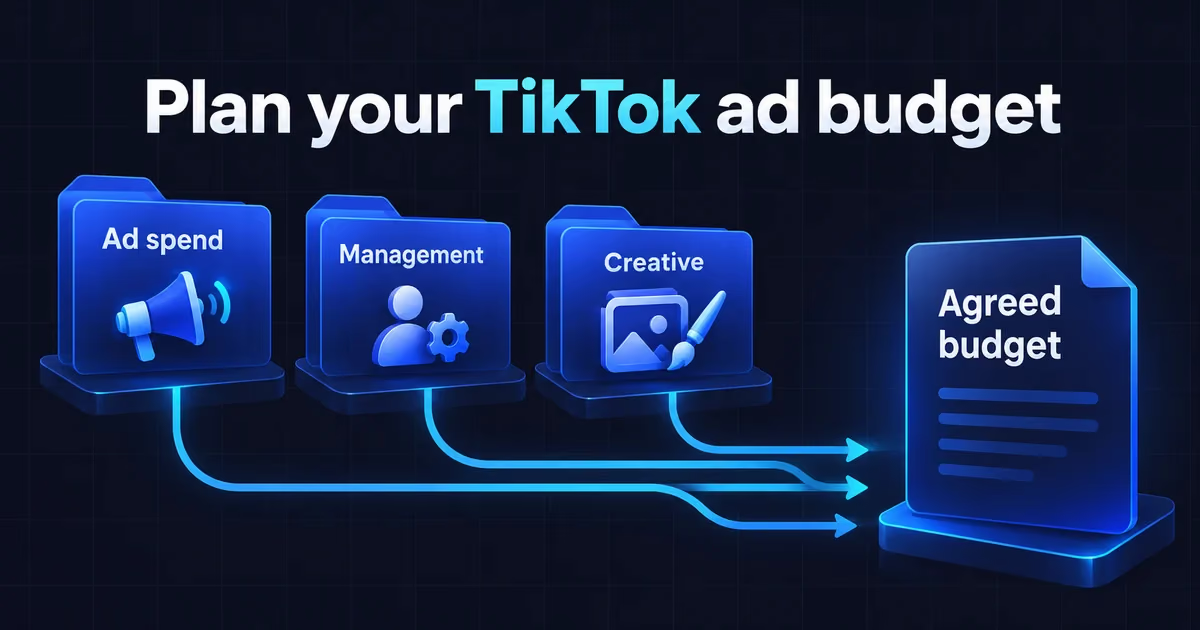
TikTok ads cost includes platform spend, campaign management, creative production and any tracking work your store needs. As of October 2026, TecnoStack's advertising management plans start at SAR 2,500, SAR 4,500 or SAR 7,500 a month before VAT where applicable; advertising spend is separate. Approve the full experiment budget and the evidence you will review before deciding whether to continue.
For a Saudi store, start with an available product and a page explaining its price, delivery and returns. For a service business, define the enquiry your team can follow up. Give each supplier the same brief: what the customer sees, where they land and which action you want to measure. That makes their proposals comparable before you discuss the monthly fee.
Separate the platform's budget requirements from your experiment budget. As of October 2026, TikTok's budget documentation says daily budgets must exceed USD 50 at campaign level and USD 20 at ad-group level. An ad group's lifetime minimum depends on its duration and daily minimum. These are setup thresholds in dollars, without a prediction of your cost per customer.
Check the currency, budget type and accepted amount in your account before approving the proposal. Ask the operator to explain how the proposed campaign allocates spend. Avoid adding campaign and ad-group budgets as if they were independent invoices. Record the experiment's dates beside its approved media spend, so a daily amount does not become an open-ended commitment.
Choose a scope your team can operate and review. You might propose one product, one destination page and a defined set of messages to compare. Ask the supplier to price that scope. This guide does not prescribe a universal Saudi testing budget: the decision depends on your available funds, materials and review process, alongside the account's actual setup requirements.
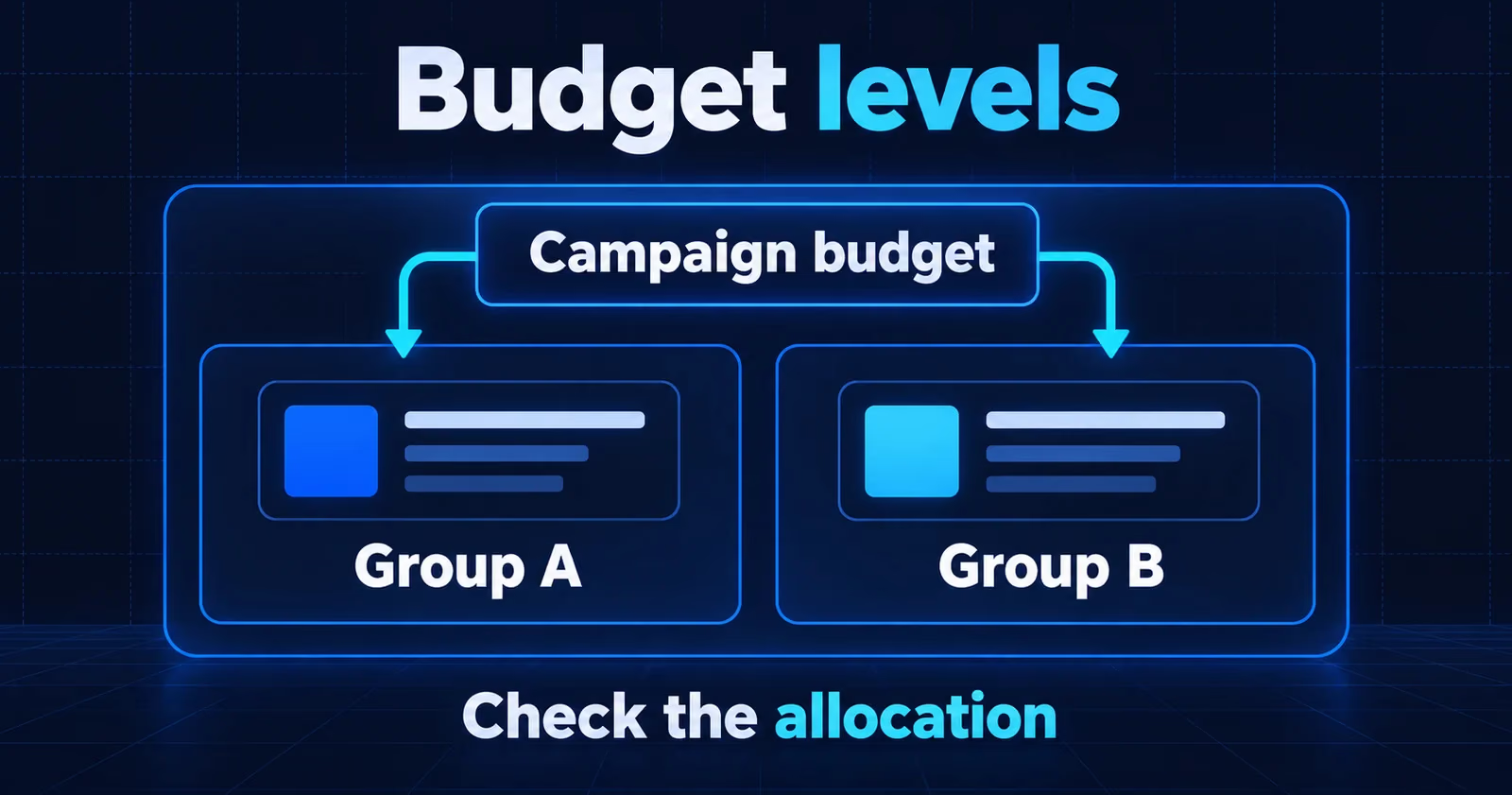
Budget structure illustration: check allocation within the campaign rather than adding campaign and group limits as separate invoices.
Give each expense a recipient, an approval owner and a written scope. Leave an unquoted item pending and identify who will obtain the quote. This is especially useful when the store needs work before the campaign can start.
| Budget item | What should the proposal explain? | How to record it |
|---|---|---|
| Advertising spend | Account, dates and spending limits | Amount paid to the platform |
| Management | Platforms, deliverables and review time | Fee in the agreed proposal |
| Creative | Filming, editing, versions and usage rights | Included work and separate production |
| Tracking | Events, connectors and development | Included setup or separate work |
| Destination page | Changes required and implementation owner | Explicit scope for extra work |
| Tax and external expenses | Applicable charges and supplier invoices | Documented amounts before payment |
Add approved media spend, management, separate work and applicable tax. If editing your footage is already included, avoid charging the same editing task twice in the worksheet. Equally, an editing allowance does not establish that filming, a location or a creator agreement is included. Request a written answer for each material someone else must supply.
Keep a dated budget and record who approved each change. You may defer new filming or repair the page before buying traffic. These are project planning choices. They do not change a published service package or create an additional free deliverable.
As of October 2026, TecnoStack lists monthly starting fees of SAR 2,500 for Ads essentials, SAR 4,500 for Ads growth and SAR 7,500 for Multi-platform ads, before VAT where applicable. Your proposal confirms the final price and scope. The fee is fixed, with no percentage of advertising spend; you pay the platforms directly through your ad account.
Review TikTok ads cost alongside the complete service plans. Each plan supports management on up to four platforms, including TikTok, with weekly optimisation. The listed monthly creative allowances are 4, 8 and 16. Those counts are shared across languages and placements, so requesting Arabic and English does not double the allowance.
The published scope also includes two original 25-second 2D motion ads each month, with one revision round, in addition to the listed creative allowance. Short edits use footage you supply, with their allowances described in the plans. Filming, organic social posting, community inbox management and extra revisions are separate. Read the complete scope before comparing a headline fee with another supplier's programme.
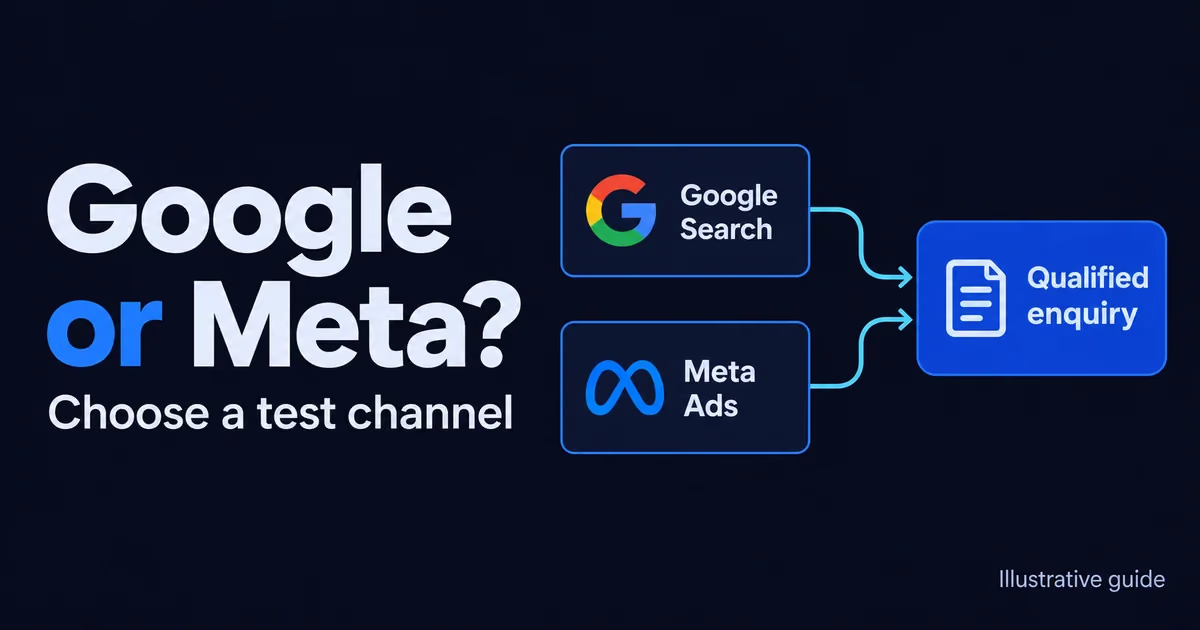
Agree how creative capacity will be divided between TikTok and other selected channels. Unused monthly capacity does not roll forward, and the plans do not guarantee sales or return on ad spend. If you are still choosing channels, our guide to allocating campaigns between Google and Meta addresses that separate decision.
Inventory the material you already have: product footage, demonstrations, copy and an Arabic reviewer. Ask the supplier to identify what they will film, what they will edit and what you must provide. Add delivery dates and intended placements. A proposal that says only “one video” leaves too much room for different expectations at acceptance.
As of October 2026, TikTok's Spark Ads guidance allows advertising with your own organic posts or another creator's posts with their authorisation. Ask about the authorised content and duration before purchasing a creator collaboration. A publicly available video is insufficient evidence that you have permission to advertise with it.
Name the reviewer for product prices, claims and the destination page. Supply evidence for claims and approve the final wording before upload. On a phone, inspect Arabic text size and its position alongside the ad interface. This is a suggested creative review, rather than a fixed technical specification for every format or a promise of platform approval.
Compare suppliers against the same output. Clarify what a revision covers and who pays for another shoot if you change the product after approval. Record creator fees and usage rights separately unless the proposal includes them. You can then defer an expense while retaining a clear owner for the remaining work.
Define the action you want to measure and when it happens in your system. As of October 2026, TikTok's standard events include content views, add-to-cart, purchase and form submission. Choose an event matching the real action, then request a documented test of its name, value and currency where relevant. Avoid sending sensitive visitor data.
When Pixel and Events API send the same conversion, TikTok's event deduplication guidance, checked as of October 2026, requires sharing the event identifier through both paths. Ask the integration owner to demonstrate that the test transaction is handled once. Two tracking paths do not justify reporting two purchases for one order.
Use our conversion audit before interpreting campaign reports to prepare the checks with your website team. Identify the account owner, integration owner and person who can repair a fault. TecnoStack's scope separates paid connectors and custom development; server-side tracking depends on what your site or store supports.
Keep the test date, action and observed result. Include what happens when someone reopens the confirmation page, and investigate unexpected duplicates. The teaching example in this article follows a hypothetical test order from an ad to tracking review. It contains no client data or measured campaign result.
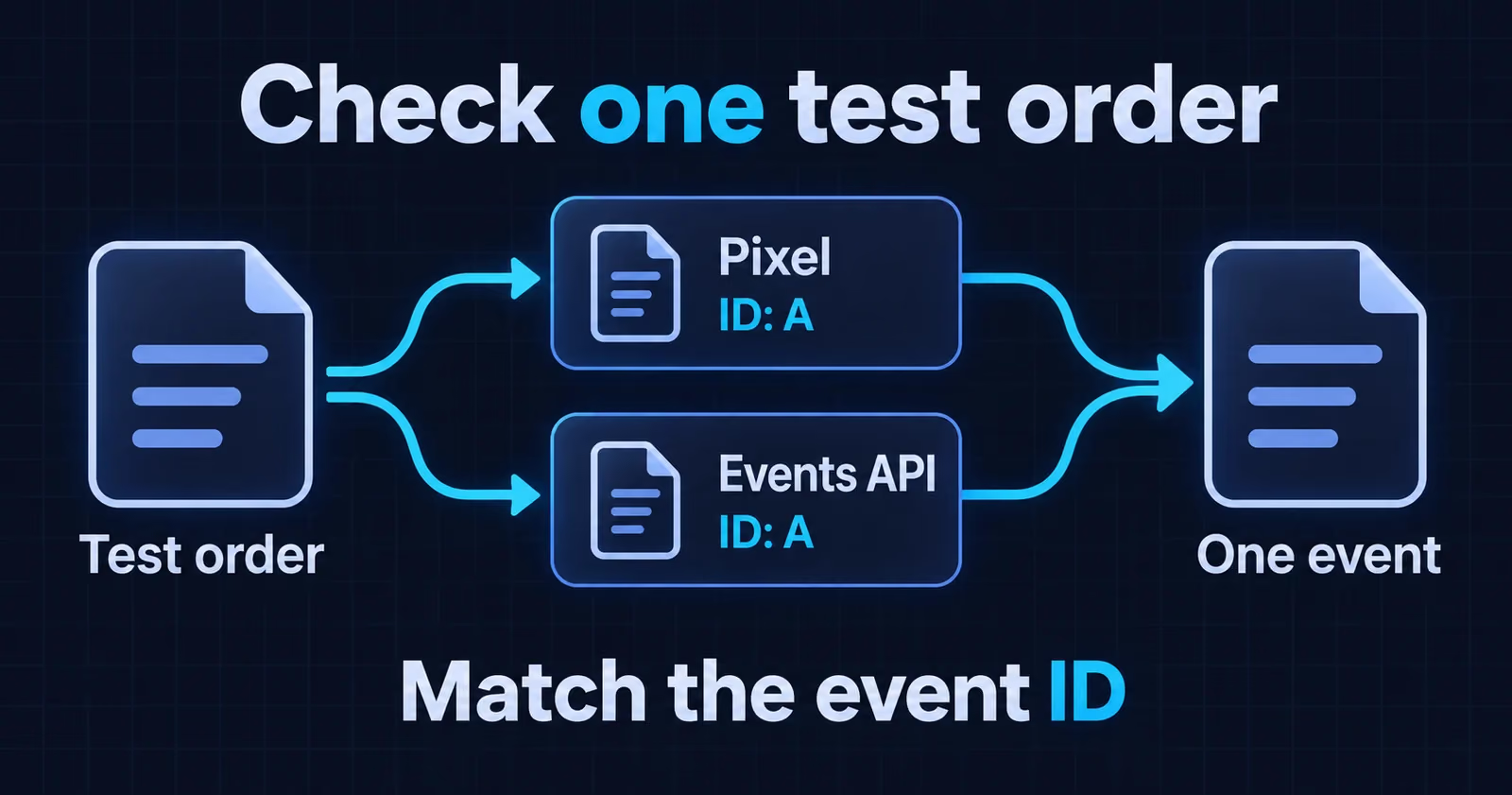
Hypothetical example: the same transaction uses ID A on both paths. Check deduplication before comparing orders with spend; this is not a campaign result.
Put spend and confirmed orders in one review worksheet, identifying each number's source and reporting period. Calculate cost per recorded order by dividing spend by the orders counted under your agreed definition. If there are no recorded orders, state that; do not show a zero acquisition cost. Use a separate calculation including management and production when evaluating the whole programme.
Review cancellations, returns and fulfilment expenses before calling a campaign profitable. Your business may need to wait for its sales cycle to complete, so choose a review date based on what you can verify. Avoid summing conversion counts from several tools and treating the total as unique customers. Compare available records and describe the measurement limits.
If the visitor lands on a page missing product or delivery information, record the issue and its repair owner before increasing spend. Our destination-page checks before expanding advertising help you inspect the next step. Compare the promise in the ad with the page, then test the form or checkout on a phone.
Request one document covering dates, proposed media spend, management, materials and external expenses. Include the account owner, product or service, page URL, measurement event and approval contact. Ask for an example of the delivery report and a definition of the weekly work. You should be able to identify each deliverable and each remaining decision from that document.
Check the following before approval:
- Does the quote separate advertising spend, management and applicable tax?
- Who supplies footage and approves wording and usage rights?
- Which events will be tested, and who fixes a tracking fault?
- Who approves spending increases and attends the review?
- How will accounts and campaign records be handed over when work ends?
The practical takeaway is to approve a defined experiment you can fund, operate and inspect. Keep an expense record and an approval trail. If a material cost remains unknown or the measurement event cannot be verified, resolve that dependency before expanding. At the review, choose whether to continue, revise the creative or page, or stop, using your records and the agreed commitment.
Bring your store URL, available footage and spending capacity to a campaign scope consultation, so we can review the required work before preparing a proposal.