
01
The experience needs more freedom
Your brand or shopping journey requires more control than the current storefront allows.
Build / Headless E-commerce
Custom storefronts with a separate commerce backend. We define the API boundaries, content workflow and operating responsibilities before building the experience.
Scope, timeline and pricing agreed after reviewing your needs.
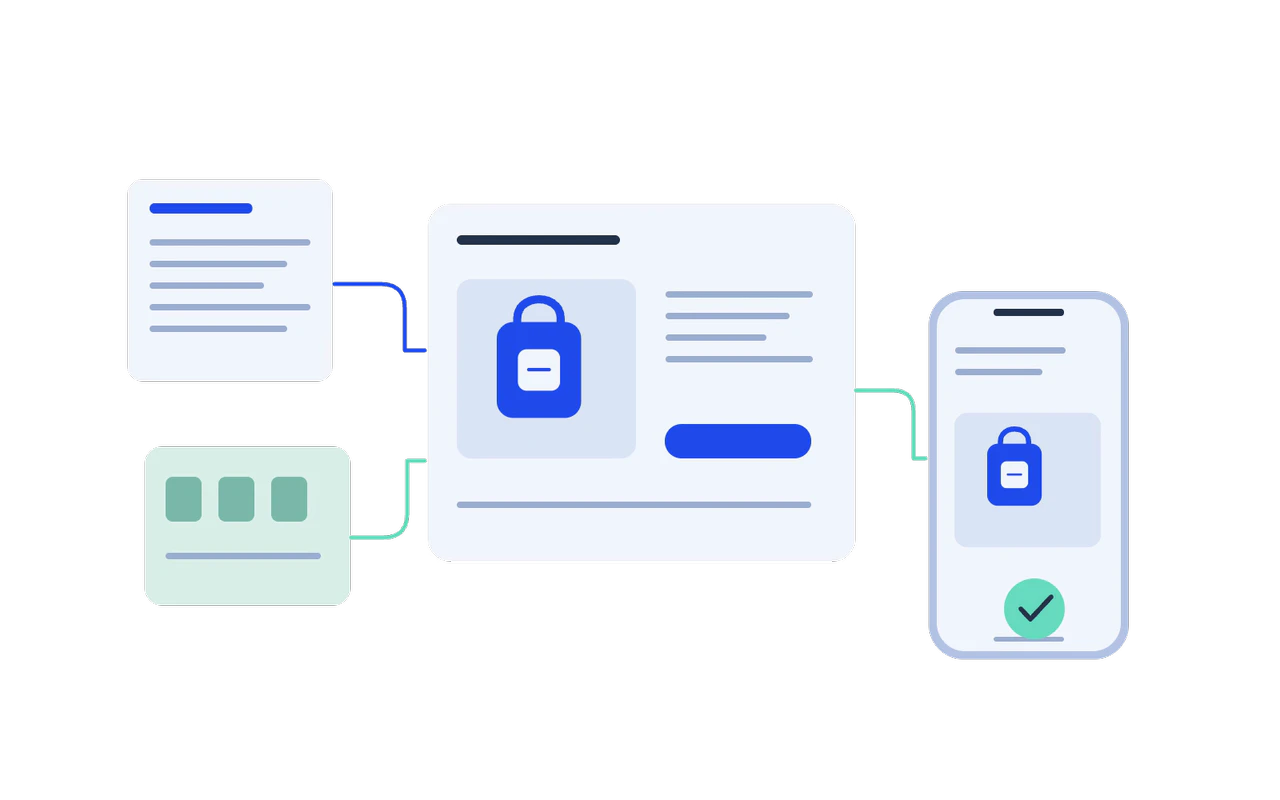
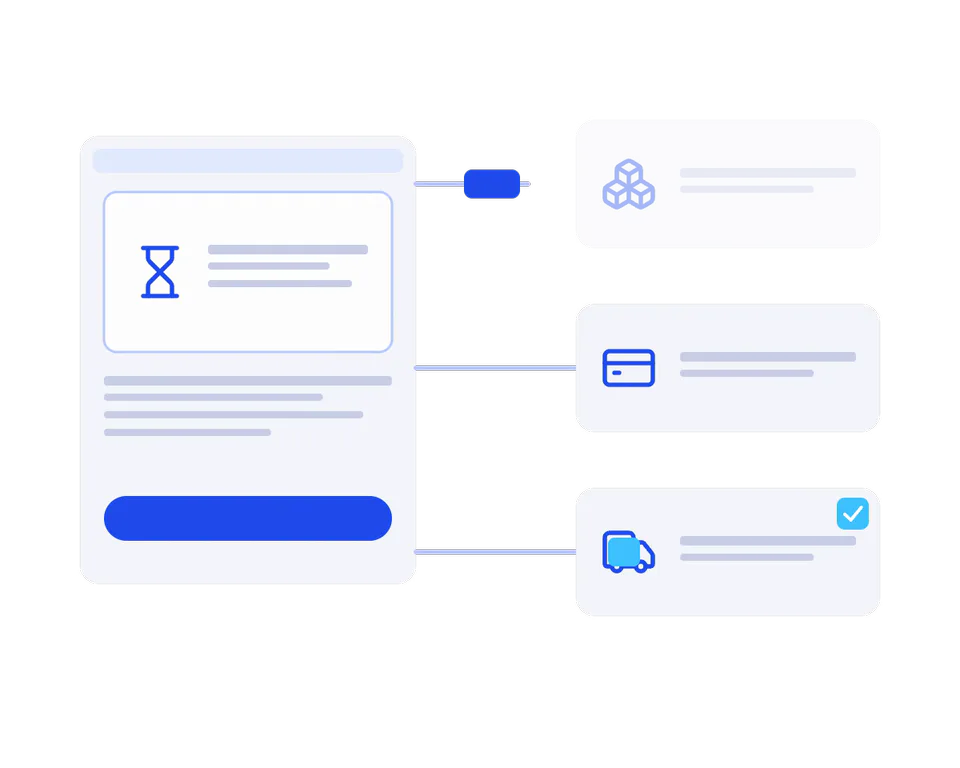
Illustrative journey. This is a design concept, not a live product or connected account.
Who this is for
For experience or content requirements that exceed what a standard theme allows. Headless is not automatically better or faster; it adds integration and operating work that must be justified.
Your brand or shopping journey requires more control than the current storefront allows.
Product data and editorial content have different owners but must appear as one experience.
A custom frontend will only help if your team can operate the services behind it.
What you get
The storefront, the backend APIs it consumes, the content system and who owns each part, agreed before implementation.
Assess whether a separate frontend solves a real need and which systems should own each responsibility.
Shape product storytelling, discovery and responsive interactions around the approved brand direction.
Build the agreed interface and connect catalogue, basket and checkout capabilities exposed by your commerce system.
Agree how editors preview and publish bilingual content alongside product information.
Plan page rendering, metadata, URLs and updates when products or content change.
Document caching, failures, releases and the boundaries between frontend and commerce support.
How we work
We validate catalogue, cart and checkout limits with your backend before making visual commitments, then review each boundary together.
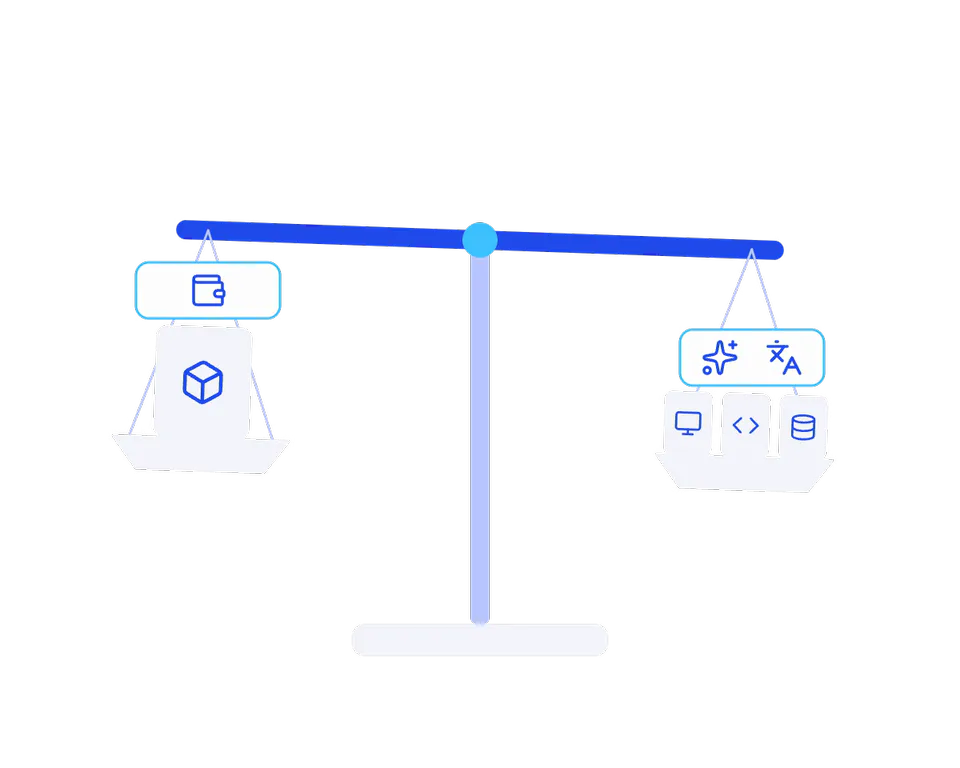
Compare a custom frontend with simpler alternatives against your actual requirements.
A reason for every extra moving part.
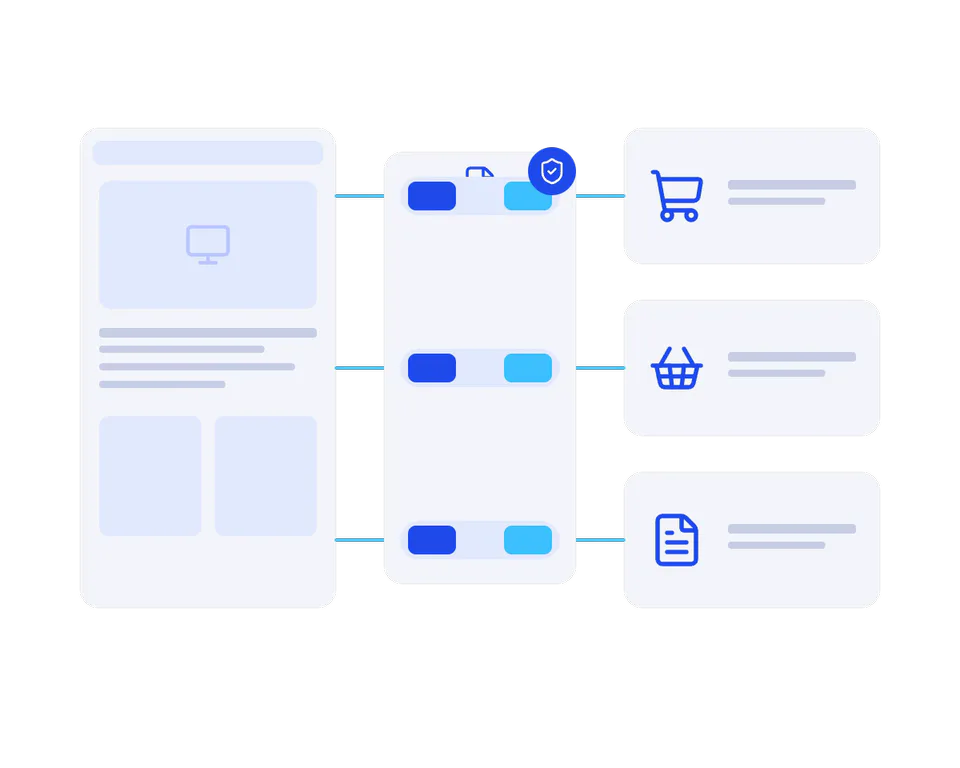
Agree data contracts, checkout ownership and how content changes reach the storefront.
A shared map of the system.
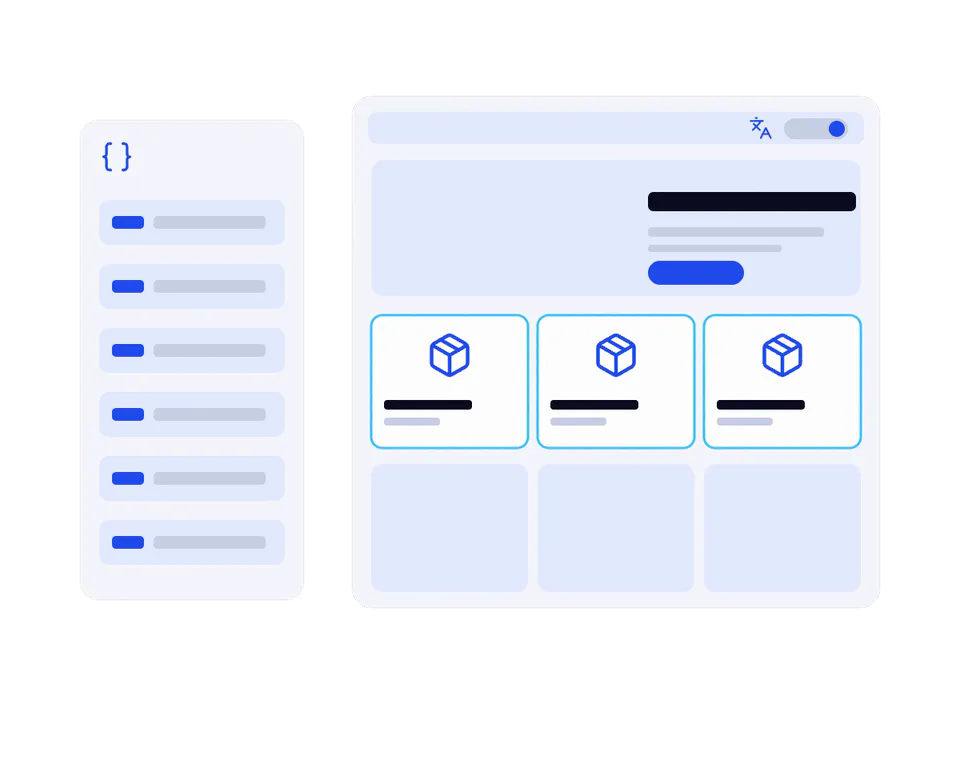
Develop the storefront and review real interactions against representative catalogue data.
The design connected to real interfaces.
Check stale data, unavailable services and order handover alongside the normal purchase path.
A launch plan that includes failure states.
Explore the possibilities
Illustrative concepts from our demo portfolio. They show possible experiences, not commissioned client projects, platform-specific implementations or measured results.
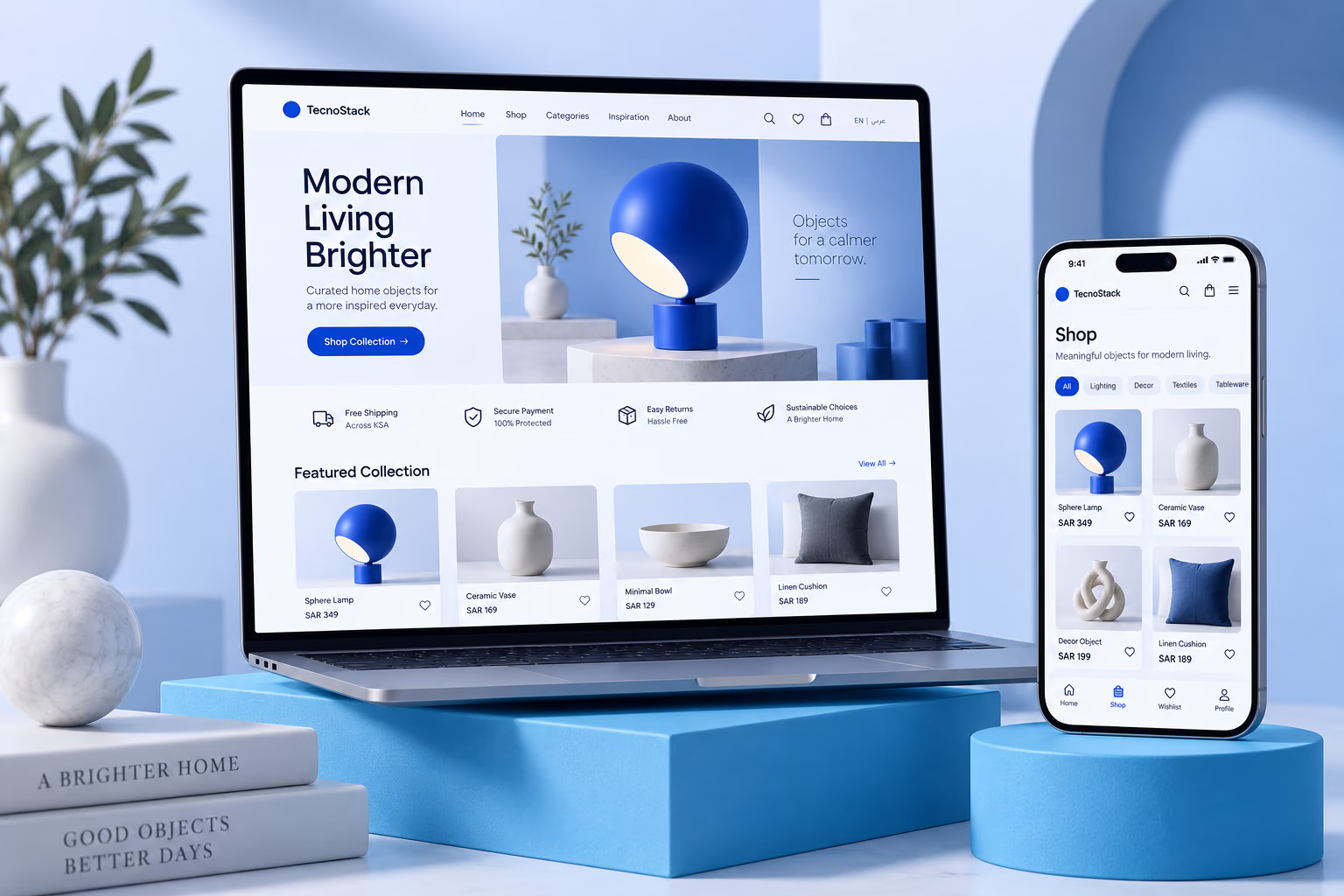
A homeware concept illustrates a distinct visual language across desktop and mobile.
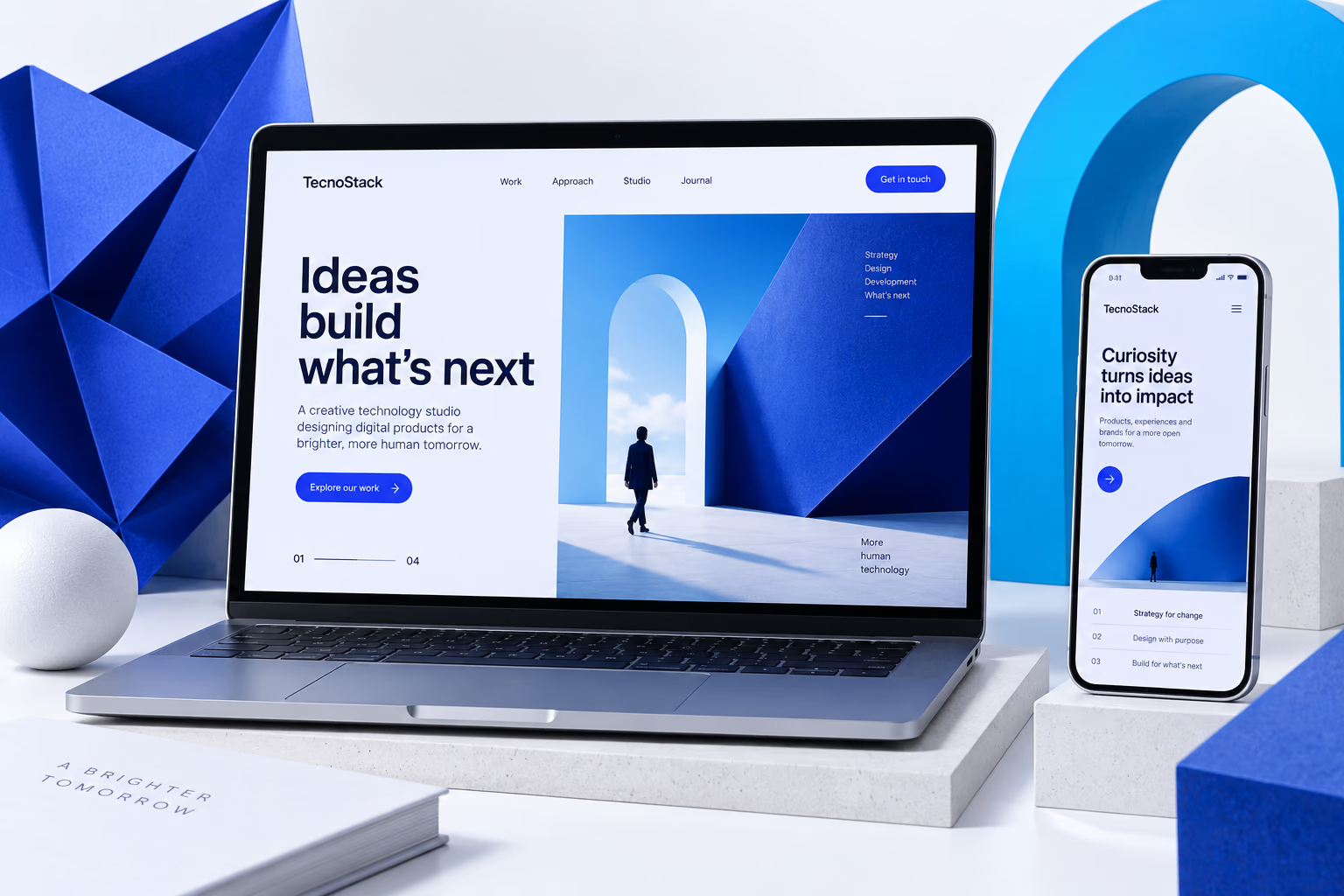
A studio concept shows the kind of expressive content design that can inform a separate storefront.
PLANS & INCLUDED BENEFITS
The blueprint is a planning engagement with no build. The storefront and connected plans require an existing, working commerce backend; backend development remains separately scoped.
Validate the architecture before committing to a custom storefront.
6,000SAR
/ project · excl. VATOne-time project fee. Support beyond the included period is quoted separately.
Included in your plan
Included in the starting price. Scope and limits are listed below.
A custom storefront on an existing commerce backend.
25,000SAR
/ project · excl. VATOne-time project fee. Support beyond the included period is quoted separately.
Included in your plan
Included in the starting price. Scope and limits are listed below.
A broader headless experience linked to your operations.
50,000SAR
/ project · excl. VATOne-time project fee. Support beyond the included period is quoted separately.
Included in your plan
Included in the starting price. Scope and limits are listed below.
Starting prices in SAR, excluding VAT where applicable. Final scope and price are confirmed in your proposal. The blueprint is a planning engagement. Build plans require a working commerce backend and clean client-provided content. Backend development, licences, hosting and usage are separate. Included reviews last 60 minutes; launch support covers delivered-scope defects for 30 days.
Before we start